Termite control Southlake homeowners deal with is almost always about subterranean termites. They live in the soil, build pencil-width mud tubes to reach wood, and can work through framing for a long time before anything shows on the drywall. The clay under Southlake doesn't stop them; when it shrinks during a dry summer, it opens cracks in the slab and around plumbing that give them a path in. If you've seen mud tubes, a swarm of winged insects at a window, or trim that sounds hollow, call (817) 873-3765, describe what you found, and get connected with an independent local termite pro.
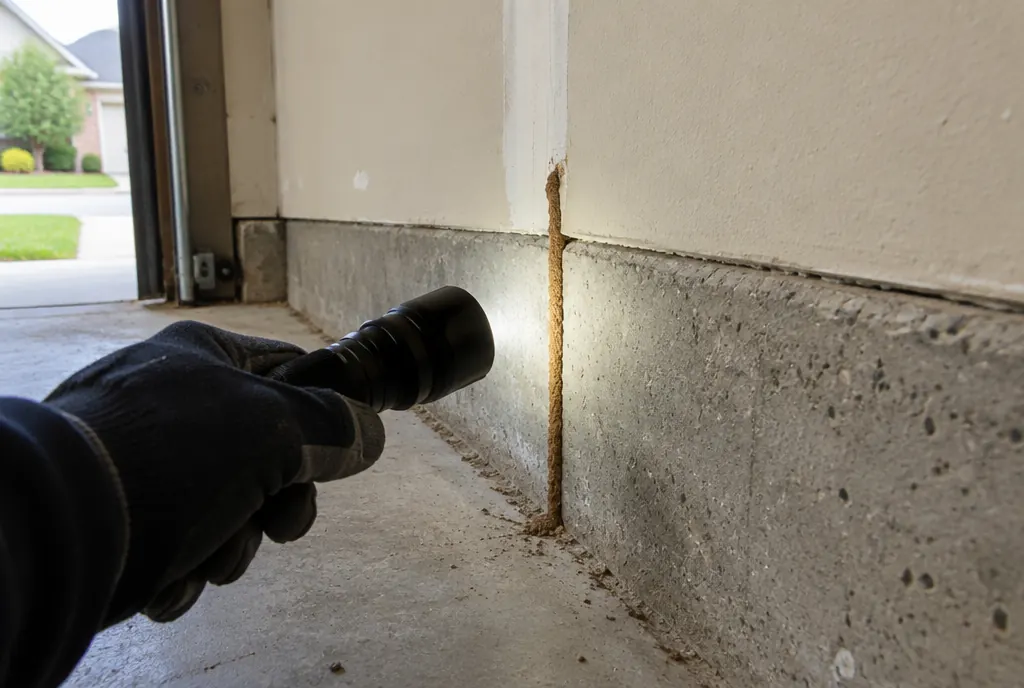
Leave them in place so the pro can see them. Describe where they run and get a local termite pro out to look.
Call (817) 873-3765 NowSigns of Subterranean Termites Southlake Homes Show
Most homeowners find termites in one of these ways:
- Swarmers. Winged termites emerge from mature colonies in spring, often on a warm day right after rain, usually between late winter and early summer in North Texas. A swarm inside the house, especially near a bathroom or kitchen window, means a colony is close by. Piles of shed wings on a sill mean the same.
- Mud tubes. Brown, dirt-colored tubes running up the slab edge, along a garage wall, behind a water heater, or across the inside of a weep hole in the veneer.
- Damaged wood. Baseboards or door trim that dent easily, paint that bubbles, or wood that looks layered inside when it breaks.
- Real estate paperwork. Many Southlake buyers order a wood-destroying insect inspection, and Texas uses an official report form for it. Sometimes that report is the first sign anyone notices.
Swarmers are often confused with flying ants. Termites have a straight waist, straight antennae, and four wings of equal length. If you can, save a few in a sealed bag for the pro.
Termite Treatment Southlake Pros Typically Recommend
The right approach depends on how the house is built, where the activity is, and how much of the foundation is reachable.
Liquid soil treatment. A pro trenches along the foundation and, where needed, drills through patios, driveways, or garage slabs to apply a non-repellent termiticide into the soil. Termites pass through it and carry it back to the colony. On a big Southlake house with stone flatwork, porches, and an outdoor kitchen against the wall, the drilling can be a large part of the job, so ask how they'll handle it.
Termite baiting. Bait stations are set in the ground around the house and checked on a schedule. Termites feed on the bait and share it through the colony. Baiting involves less drilling and works well on properties with a lot of hardscape, but it's a monitoring program, so ask about the visit schedule and the annual renewal cost.
Spot work and repairs. Damaged wood still needs a carpenter after treatment, and moisture problems have to be fixed, or the termites will find the house again.
A swarm indoors means a colony nearby. Bag a few, then call and describe where they came from.
Call (817) 873-3765 NowTermite Inspection Southlake TX Owners Should Expect
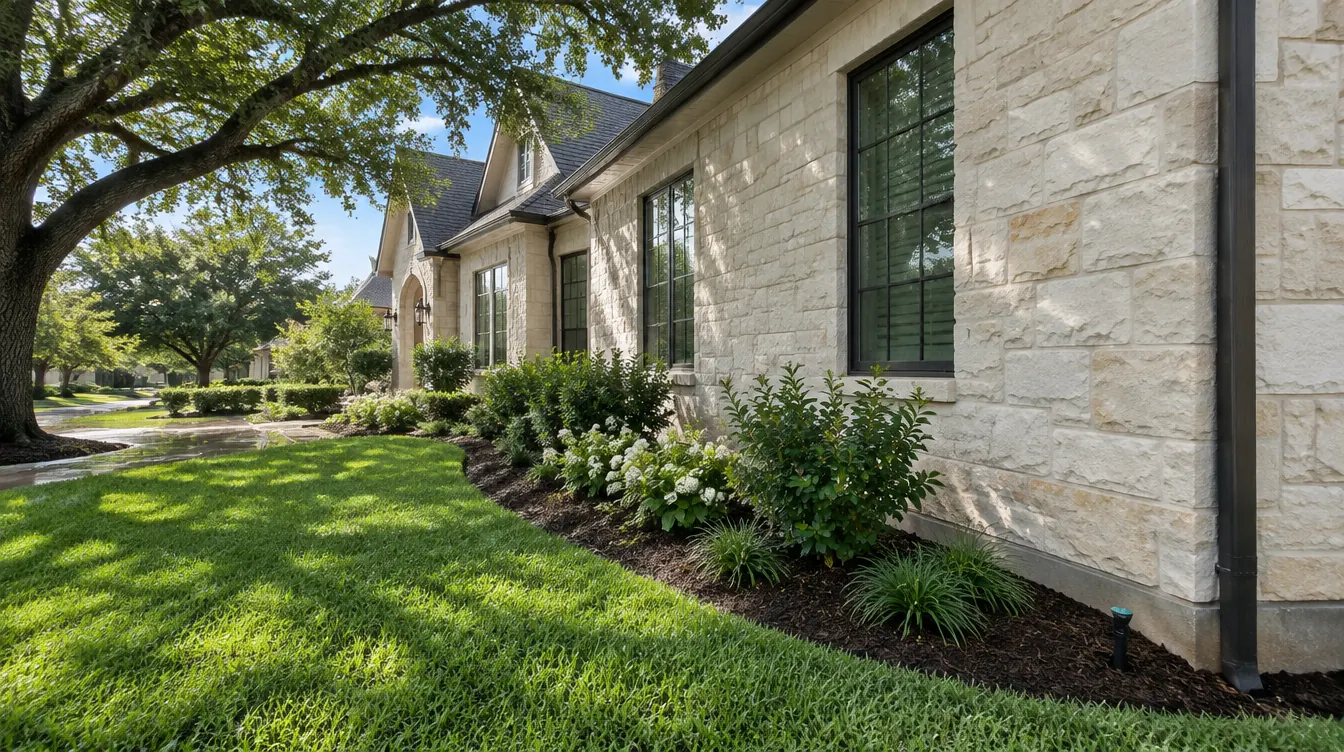
A real termite inspection covers the whole perimeter of the house, the garage, accessible plumbing penetrations, the attic, and the yard: fence posts, landscape timbers, stored lumber, and firewood stacked against the wall. Expect the inspector to point out conducive conditions such as mulch piled above the slab line, sprinklers soaking the foundation, gutters that dump water against the wall, or veneer that comes down too close to the soil. Fixing those helps whatever treatment you choose.
Ask the inspector to show you what they found, and ask for findings in writing. Photos of tubes or damaged wood help when you compare more than one proposal, and they give you a baseline if you want to check the same spots again next spring. If the house has an attached patio cover, a pergola, or a wood deck touching the soil, ask the inspector to look at those as well. If you're buying or selling, tell them up front so they know whether you need the state report form.
Questions to Ask a Termite Exterminator Southlake Homeowners Hire
This site is a free call-connection service, not a termite company. The pros on the line are independent businesses you hire directly. Ask them:
- Their Texas Department of Agriculture structural pest control license number and proof of insurance
- Which product or bait system they use, and why it fits your house
- What happens if termites show up again, what's in writing, and what renewal costs each year
- Whether they'll need to drill flatwork, and how they'll patch it
Costs depend on the linear footage of the foundation, how much drilling is needed, and whether you go with liquid or bait. The pest control cost guide covers typical ranges, and the Southlake seasonal pest guide explains when swarm season usually starts. For other pests, go back to the Southlake homepage.
Termites don't stop on their own. Call (817) 873-3765 and describe what you found.
A local termite pro can explain which suits your foundation and flatwork. One call gets you a straight answer.
Call (817) 873-3765 Now